

Rights sound abstract until a school board bans a book, a landlord treats two families differently, or a police stop leaves someone wondering what the law actually allows. That is when the theory ends and daily life begins. The phrase USA rights policy matters because it names the rules, protections, and public choices that shape how power meets ordinary people. It is not just courtroom material for lawyers and cable news addicts. It is the difference between having a voice and being managed.
If you want social understanding, you need more than slogans about freedom. You need to know which rights restrain government, which laws guard people from discrimination, and why policy choices decide whether those promises work outside a civics textbook. The Bill of Rights remains central to individual liberty, while later constitutional protections and federal civil rights laws widened the country’s legal promise beyond the eighteenth century. The conversation also matters now because public arguments about education, policing, religion, identity, voting, and equal treatment keep running into the same hard question: what does the country owe people when power is uneven? Too many debates skip that part and go straight to team loyalty. That is a mistake. This is where the subject gets real, and a lot more interesting, because rights policy is not just about what Americans are told they have. It is about what they can actually use, defend, and expect in public life.
Why Rights Policy Starts With Limits on Power
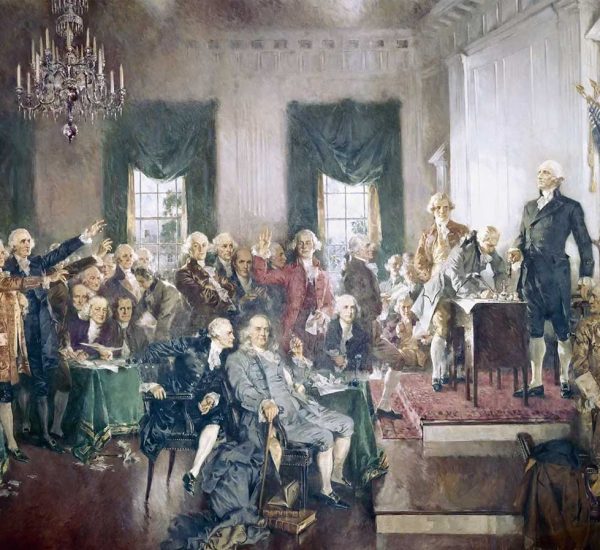
The first thing many people miss is simple: rights policy is not mainly a gift from government. It is a fence around government. That old design still matters because the Constitution and the Bill of Rights place direct limits on official power, especially around speech, religion, searches, and due process. When you understand that, public debate suddenly looks different. You stop asking only what government wants to do, and start asking what government is allowed to do. That shift sounds small, but it changes everything. It makes you less impressed by polished messaging and more interested in legal boundaries, public accountability, and the cost of giving officials too much room to improvise. A society that forgets those limits usually calls it efficiency right before it starts calling it regret.
Speech, Belief, and the Messiness of Freedom
Free expression sounds glamorous when everyone agrees with it. The real test comes when the speech is irritating, unpopular, sharp-edged, or politically inconvenient. That is why any serious rights culture has to defend expression before it likes expression. Otherwise, freedom turns into a reward for good behavior. Plenty of communities talk big about open debate until the debate arrives wearing the wrong outfit and saying the wrong thing.
Religious liberty follows the same rough logic. The First Amendment protects belief and bars government from setting up religion as official truth. That balance is not always tidy, and it was never going to be. A country this large, loud, and divided cannot run on forced sameness without crushing somebody in the process. The mature approach is not to demand zero conflict. It is to build rules strong enough to survive conflict without turning difference into disobedience.
You feel the value of these protections most when public pressure runs hot. A teacher speaking up at a meeting, a student criticizing authority, or a small faith community asking to be treated fairly may seem like separate stories. They are not. They all ask whether power can tolerate dissent without reaching for punishment first. That question reaches from city hall to school hallways. It even shows up at dinner tables, where people learn whether disagreement is allowed only when it stays polite and powerless.
Privacy Is Not Paranoia
People often talk about privacy as if it were a luxury for people with secrets. That is lazy thinking. Privacy is what gives dignity room to breathe. The Fourth Amendment protects people against unreasonable searches and seizures, and that idea remains one of the clearest warnings against unchecked state power. It says the state does not get automatic backstage access to your life just because it is curious, suspicious, or impatient.
In daily life, that principle shapes how you think about homes, phones, records, and personal space. The point is not to wall off society from law enforcement or public order. The point is to force power to justify itself before it intrudes. That requirement is one of the healthiest habits a free society can build. It slows down rash action, raises the standard for official decisions, and reminds institutions that convenience is not the same thing as legitimacy.
Here is the blunt version: when privacy rules weaken, ordinary people do not suddenly become safer. They often become easier to monitor, sort, and pressure. A society can lose freedom quietly, one “reasonable” exception at a time. That is why rights policy must keep the burden on the state, not on you. Once people get used to constant visibility, they often stop asking whether they truly consented to any of it. That is a bad trade, dressed up as common sense.
Equal Protection Turns Promise Into Practice
Constitutional liberty means little if it applies beautifully on paper and badly in real life. The Fourteenth Amendment changed the country’s legal grammar by tying liberty to due process and equal protection, which gave later rights fights a stronger foundation than rhetoric alone. This is where social understanding gets sharper: rights are not only about leaving people alone. They are also about stopping public systems from treating some people as lesser. That insight unsettles anyone who prefers to think injustice happens only through individual cruelty. Often it moves through offices, rules, budgets, and routine decisions. That is less dramatic than a movie villain. It is also much closer to real life.
Civil Rights Law Is Where Ideals Clock In for Work
Big national values become real through enforceable rules. That is why civil rights law matters so much. The Department of Justice Civil Rights Division exists to enforce federal statutes and constitutional protections involving discrimination, voting, disability rights, housing, education, and abuses of authority. If rights are promises, enforcement is the collection department. Nobody loves bureaucracy until bureaucracy is the only reason someone powerful has to answer for bad conduct.
That may sound distant until you put it in everyday terms. Think about a child facing unequal treatment in school, a tenant rejected because of national origin, or a worker pushed aside because of disability. Policy is not decoration in those moments. It is the machinery that decides whether the person gets a remedy or a shrug. The difference between those outcomes shapes how communities learn to trust institutions, or stop trusting them entirely.
And here is the uncomfortable truth: many Americans praise equality in public but resist the policy tools that make equality bite. They like the anthem, not the paperwork. Yet rights without enforcement are mostly manners, and manners vanish the second they become inconvenient. That is why enforcement debates feel so heated. They force a choice between saying fairness matters and proving it when proof costs time, money, and political comfort.
Discrimination Often Hides Inside Ordinary Systems
Bias is not always loud enough to announce itself. Sometimes it shows up through forms, funding rules, access barriers, or selective enforcement. Title VI of the Civil Rights Act bars discrimination based on race, color, and national origin in programs receiving federal financial assistance, which is one reason policy design matters far beyond the courtroom. A rights problem can begin with something as dry as an application process and end with somebody losing a real chance at security.
A hospital intake process, a transit policy, a school discipline practice, or a housing procedure can all look neutral while producing unequal harm. That is why social understanding cannot stop at personal prejudice. You also have to ask who gets heard, who gets screened out, and who pays extra just to be treated as normal. Systems do not need a hateful speech to produce a harmful pattern. Sometimes all they need is indifference, habit, and a lack of scrutiny.
This is the part people dodge because it asks more from them. It is easier to condemn obvious bigotry than to inspect a trusted institution. Still, mature rights policy does exactly that. It checks the wiring, not just the slogans painted on the wall. A society becomes fairer not when it learns a prettier vocabulary, but when it is willing to audit the quiet habits that sort people into winners and losers.
Access Matters as Much as Theory
Knowing your rights is useful. Being able to act on them is better. A society that celebrates liberty while making justice confusing, expensive, or inaccessible is playing a dishonest game. Access is where USA rights policy stops being a civics poster and starts becoming a lived public standard. This is also where frustration becomes personal. People usually do not feel shut out by abstract principles. They feel shut out when they cannot get a clear answer, file a complaint, or find anyone who will explain the next step plainly. Theory matters, yes. But the person being denied fair treatment needs a workable door, not a patriotic speech.
Rights Mean More When People Can Use Them
A right that exists only for people with money, time, confidence, and legal help is not much of a right. It is a premium feature. Public trust grows when people can find complaint systems, legal aid, and plain-language explanations without needing a law degree first. USA.gov points people to legal aid resources and basic government guidance because access is part of the democratic equation, not an optional courtesy.
That reality shows up everywhere. Someone facing eviction, school discrimination, a benefits problem, or workplace mistreatment usually does not need a lecture on constitutional history. They need the next step, the right office, the deadline, and a fair shot at being heard. Clarity is not fluff. Clarity is access. A person under pressure makes worse choices when every form is written like a dare and every answer sounds like a maze.
One useful starting point is to read plain-language civic and legal explainers from trusted public resources and related policy guides, including rights and public-policy resources. Good information does not solve every problem. It does stop people from walking into the dark without a map. It also gives families, teachers, organizers, and local leaders a shared base of language, which matters more than people think when tensions rise.
Complexity Protects Systems More Than People
Many institutions claim that rights questions are just complicated. Sometimes they are. Just as often, complexity becomes a velvet rope that keeps ordinary people out. Long forms, scattered procedures, vague notices, and slow appeals do not feel neutral when you are the one losing time, pay, housing, or peace. Procedure can serve fairness, but it can also become a polished excuse for delay.
The strange thing is that people tolerate this more than they should. They assume legal confusion proves seriousness. I think it often proves the opposite. A public system that respects rights should explain itself clearly, publish routes for complaints, and reduce the gap between formal protection and practical use. If a rule matters enough to enforce, it matters enough to explain in plain English.
That does not mean every case becomes easy. It means the system stops hiding behind fog. When you strip away the jargon, a lot of rights problems come down to one stubborn question: can an ordinary person challenge unfair treatment without being ground down first? If the honest answer is no, then the system may be lawful on paper and still broken in practice. That gap is where cynicism grows, and once cynicism settles in, even good institutions struggle to earn trust again.
Social Understanding Requires Civic Muscle
Rights do not survive because they were written down once and framed nicely afterward. They survive because people argue for them, teach them, test them, and defend them when it would be easier to stay quiet. That is why the best rights policy is not only legal. It is cultural, civic, and practical at the same time. Law sets the floor, but public habits decide whether the floor holds under pressure. If people stop paying attention, even good rules start to sag. Social understanding, in that sense, is not a soft skill. It is public maintenance.
A Healthy Society Teaches Rights Before Crisis Hits
Most people learn about rights too late, usually when something has already gone wrong. That is backwards. Civic education should explain how speech, equal protection, due process, religious liberty, and anti-discrimination rules shape ordinary life long before anyone needs a complaint form or a lawyer. The best time to learn your rights is before you are scared, rushed, or embarrassed to ask basic questions.
Schools, families, local groups, and media all play a role here. The goal is not to turn everyone into a constitutional scholar. The goal is to help people recognize when a line may have been crossed and where public power ends. That kind of knowledge lowers panic and raises confidence. It also makes public debate less childish, because people stop confusing personal annoyance with actual rights violations.
There is also a deeper payoff. When people understand rights early, they become harder to manipulate with fear. They can tell the difference between a real safety need and a convenient excuse for overreach. That skill matters more than many leaders would like to admit. A population that knows the rules asks better questions, and better questions make sloppy policy look exactly as weak as it is.
Policy Gets Better When Citizens Stay Nosy
Democracy works better when people ask rude questions politely and keep asking them. Who benefits from this rule? Who gets burdened? What remedy exists when something goes wrong? That habit may sound small, but it is one of the strongest defenses against lazy or abusive policy. Rights erode fastest when the public treats administration as too boring to inspect.
You can see this in local fights over school rules, public meeting access, policing practices, housing treatment, disability accommodation, and voting administration. Rights policy improves when citizens insist that fairness be measurable, not merely promised. The U.S. civil rights framework itself grew through pressure, enforcement, and public insistence that formal ideals should apply in real institutions. That history is a reminder, not a museum label. Change rarely arrives because power becomes suddenly thoughtful.
Here is the honest catch: civic attention is tiring. It asks you to care after the headline fades. Still, that is the work. If you want a freer society, you cannot outsource all vigilance to courts and agencies and hope for the best. Rights age badly when citizens stop using them, defending them, and demanding that officials explain themselves in public. Freedom, annoyingly, has homework.
USA Rights Policy Principles for Social Understanding
By the time people start talking about rights only in legal emergencies, the public conversation is already too thin. Social understanding grows when you treat rights as daily architecture: limits on power, equal treatment under law, access to remedies, and civic habits strong enough to keep those promises alive. That view is less romantic than the movie version of freedom, but it is far more useful. It gives you a way to judge events without waiting for a pundit to tell you what to think. It also restores something public debate badly needs right now: standards.
The smartest approach is not to worship policy language or pretend every dispute has an easy answer. It is to stay grounded in first principles and then ask hard practical questions. Who has power here? What rule restrains it? Who can seek help? What happens if the system fails? Those questions bring clarity fast, and they cut through a lot of empty noise. They also keep you from becoming impressed by loud certainty that has no legal backbone underneath it. That alone would improve more civic arguments than most reform plans ever will.
That is why USA rights policy deserves public attention far beyond courtrooms and election seasons. If you want better social understanding, start by learning the protections that shape daily life, tracking how they are enforced, and speaking up when the gap between promise and practice gets too wide. Read, ask, challenge, document, and participate. Rights do not stay strong by accident. They stay strong when you decide they are worth the effort, and when you push your community to treat fairness as a public duty instead of a marketing line. The next step is simple: stop treating rights as background noise and start treating them as your business, because sooner or later, they will be.
What are the core principles of rights policy in the United States?
The core principles are limited government, equal protection, due process, free expression, religious liberty, privacy, and access to remedies. Together, they shape how power should behave around ordinary people. That matters because rights become real only through daily use.
Why does social understanding depend on rights policy?
Social understanding improves when people know how law shapes daily treatment, public power, and fair access. Without that knowledge, debates become emotional fog. Rights policy gives people a shared framework for judging schools, policing, housing, speech conflicts, discrimination, and fairness.
How does the Fourteenth Amendment affect everyday life?
The Fourteenth Amendment matters because it ties liberty to due process and equal protection. In daily life, that influences how states treat residents in schools, policing, public benefits, and other systems. It gives people a stronger basis to challenge unfair treatment.
Why is free speech important even when speech is unpopular?
Free speech matters most when opinions irritate people, not when they feel safe. Protecting only agreeable speech is not freedom. It is image control. A healthy rights culture keeps room open for criticism, dissent, minority views, and uncomfortable public debate.
What role does civil rights enforcement play in public policy?
Civil rights enforcement turns ideals into consequences. It gives people a path to challenge discrimination, misconduct, and exclusion through actual institutions. Without enforcement, public promises sound nice but fade quickly under pressure, delay, cost, fear, and political convenience every time.
How can ordinary people learn to use their rights better?
People use rights better when they study trusted civic resources, keep records, learn complaint routes, ask clear questions, and act early. Waiting rarely helps. You do not need to become a lawyer, but you do need to become informed, prepared, and alert.
Why is access to legal help part of rights policy?
Access to legal help matters because rights fail when only confident or wealthy people can act on them. Plain-language guidance, complaint systems, and affordable help reduce that gap. Fairness should not depend on spare time, education level, or financial cushion.
What should someone do when a rights issue feels unclear?
Start with facts, dates, documents, and the exact decision that affected you. Then check trusted public guidance, identify the relevant agency or rule, and ask for help early. Confusion grows when people guess. Clarity grows when they document and verify.